

Key scientific concerns about climate change are based on extensive evidence from observations, climate models, and multiple scientific disciplines studying Earth’s climate system. This is the first article on the series of eight concerns.
Earth’s average temperature continues to increase due to greenhouse gas emissions from burning fossil fuels, deforestation, and industrial activity. Recent years have repeatedly set heat records, contributing to more intense heatwaves and ecosystem stress.
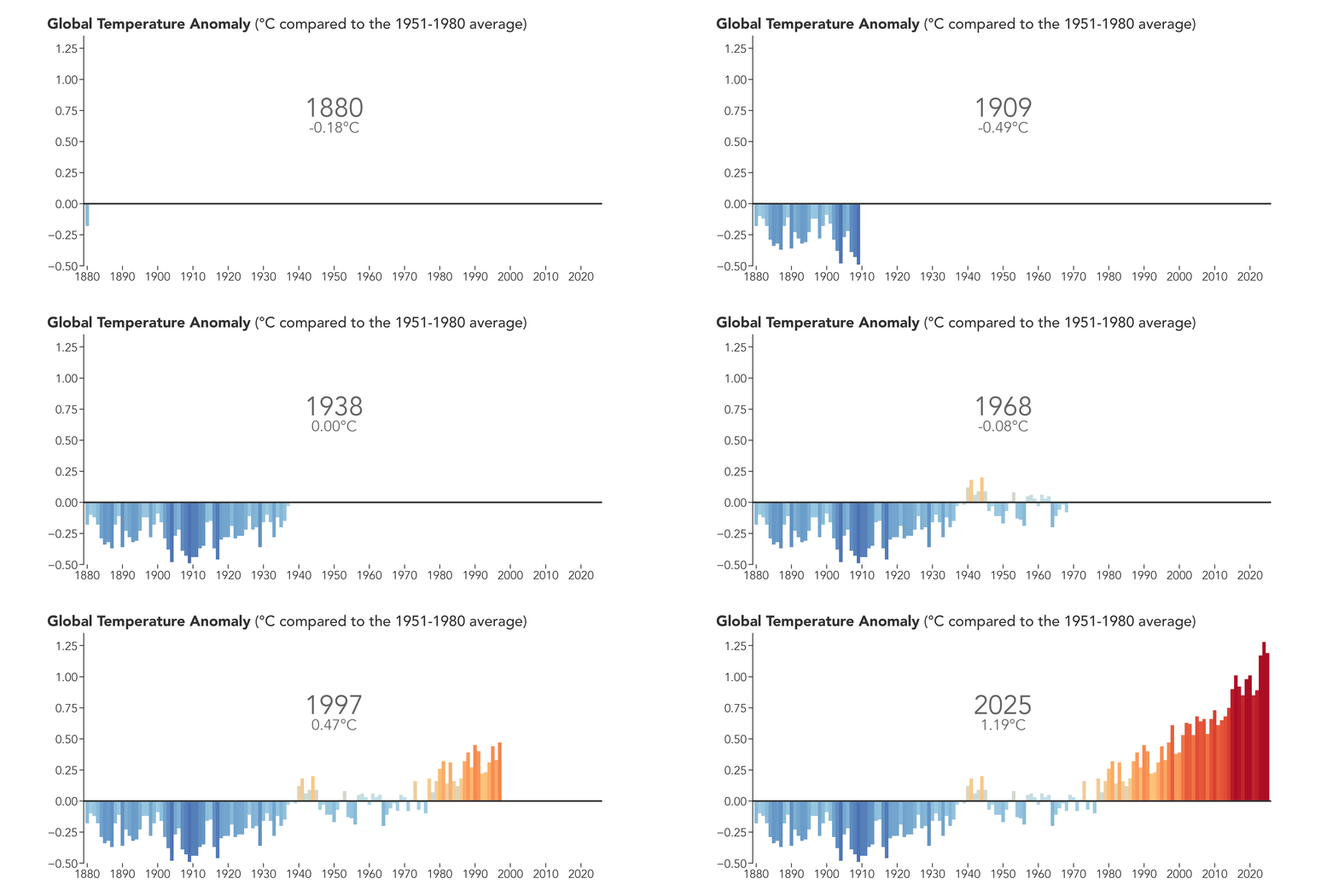
Air temperatures on Earth have been rising since the Industrial Revolution. While natural variability plays some part, the preponderance of evidence indicates that human activities—particularly emissions of heat-trapping greenhouse gases—are making the planet warmer.
The image below shows global temperature anomalies in 2025. According to NASA scientists, the planet’s average temperature that year was 1.19°C (2.14°F) above the 1951-1980 average. At the time, 2024 remained the hottest year since record-keeping began in 1880.
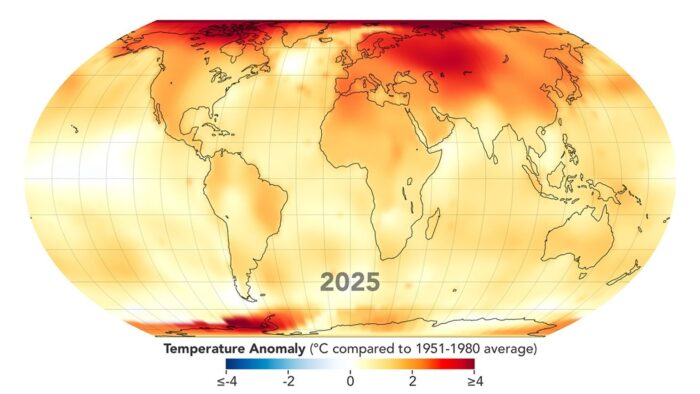
It is important to notice that global warming does not mean temperatures rise everywhere at every time by the same rate. Temperatures might rise 5 degrees in one region and drop 2 degrees in another. For instance, exceptionally cold winters in one place might be balanced by extremely warm winters in another part of the world. Generally, warming is greater over land than over the oceans because water is slower to absorb and release heat (thermal inertia). Warming may also differ substantially within specific landmasses and ocean basins.
A. MAIN CAUSES OF RISING TEMPERATURES:
- Burning coal, oil, and natural gas;
- Deforestation reducing carbon absorption;Industrial and transportation emissions;Agricultural methane emissions; and
- Urbanization and land-use changes.
These activities intensify the “greenhouse effect”, causing more heat to remain trapped in Earth’s atmosphere.
B. MAJOR IMPACT ON CLIMATE CHANGE:
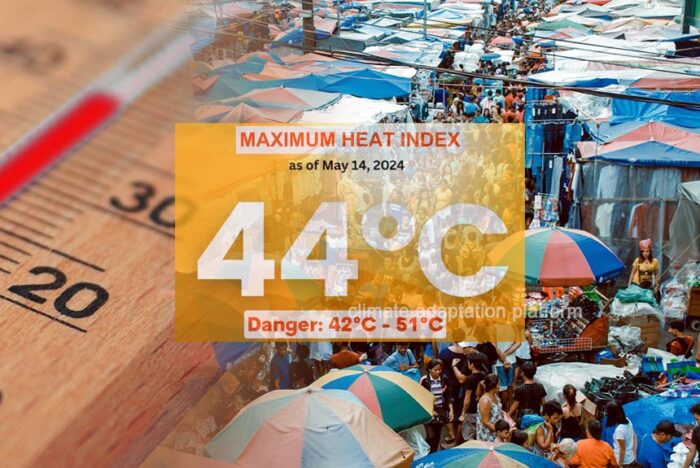
- More Frequent and Intense Heatwaves: Higher global temperatures increase the frequency, duration, and severity of heatwaves. These events can cause:
- Heat-related illnesses and deaths;Reduced agricultural productivity;Increased energy demand for cooling; and
- Greater wildfire risk
Recent years have seen record-breaking temperatures across Europe, North America, and Asia. Heatwaves also worsen drought conditions and strain water resources.
- Melting Glaciers and Polar Ice: Global warming accelerates the melting of glaciers, Arctic sea ice, and the Greenland and Antarctic ice sheets. Consequences include:
- Loss of freshwater reserves;
- Habitat destruction for polar species; and
- Rising sea levels.
The Arctic is warming approximately four times faster than the global average, a phenomenon known as Arctic amplification.
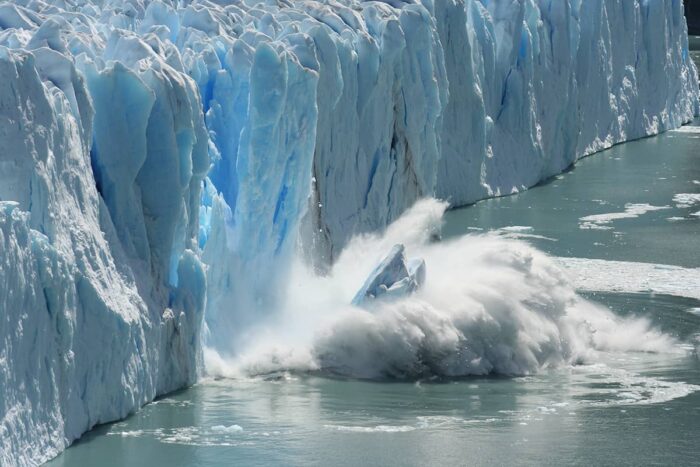
- Sea Level Rise: As ocean water warms, it expands (thermal expansion), and melting ice adds more water to the oceans. Rising sea levels threaten:
- Coastal cities and infrastructure;
- Small island nations;
- Freshwater supplies through saltwater intrusion; and
- Increased flooding during storms.
Millions of people living in low-lying coastal areas are at risk of displacement.
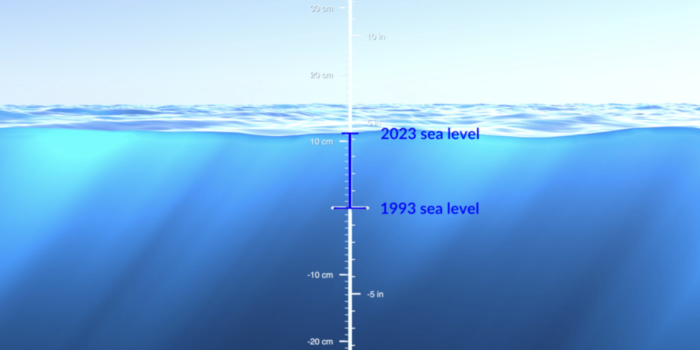
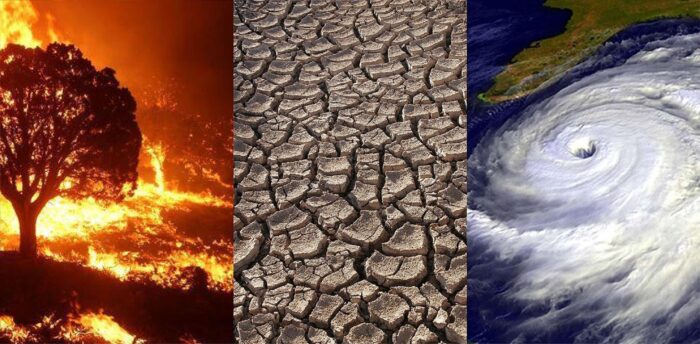
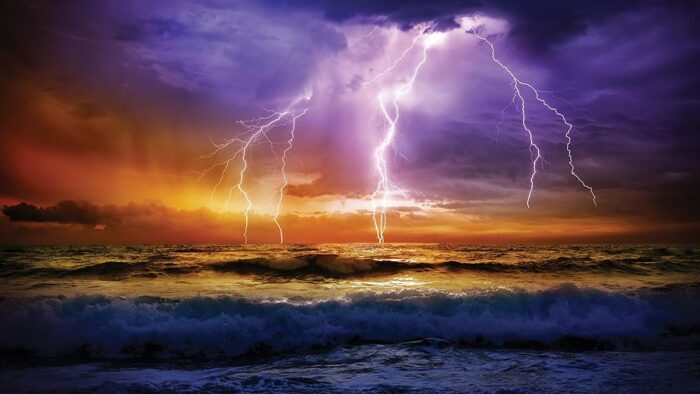
- Stronger Storms and Extreme Weather: Warmer oceans provide more energy for hurricanes, cyclones, and typhoons. Climate change is linked to:
- More intense tropical storms;
- Heavier rainfall and flooding;
- Longer droughts in some regions; and
- Increased variability in weather patterns.
Many ecosystems may struggle to adapt quickly enough to changing climate conditions.
Extreme weather events are becoming more costly and destructive worldwide.
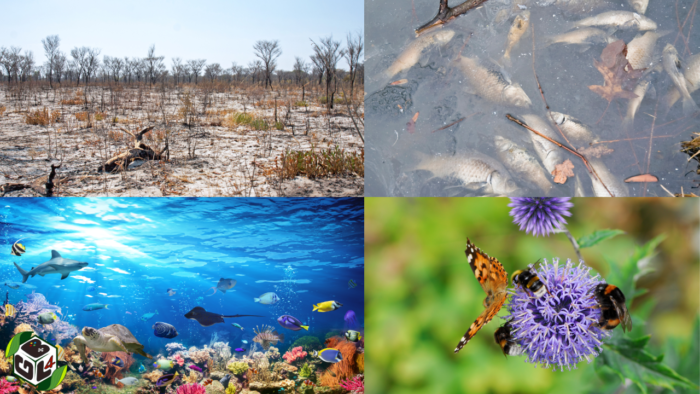
- Impacts on Ecosystems and Biodiversity: Temperature increases disrupt ecosystems and species distributions. Effects include:
- Coral bleaching due to warmer oceans;
- Habitat loss for many species;
- Increased extinction risk; and
- Shifts in migration and breeding patterns.
- Food and Water Insecurity: Climate change affects agriculture through altered rainfall patterns, droughts, floods, and heat stress. Key impacts include:
- Reduced crop yields;
- Livestock stress;
- Water shortages; and
- Increased food prices.
Developing countries are especially vulnerable due to dependence on climate-sensitive agriculture.
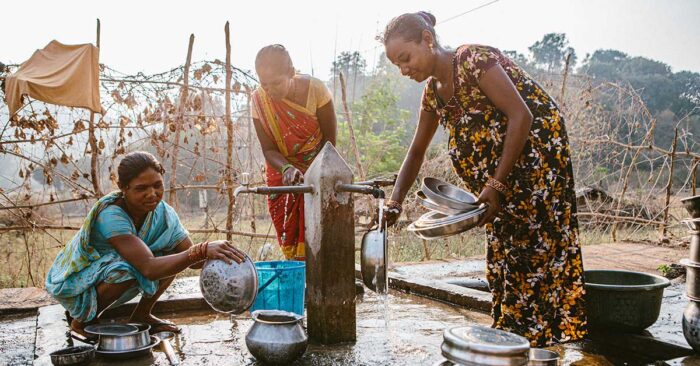
- Human Health Risks: Rising temperatures contribute to several public health problems:
- Spread of vector-borne diseases such as malaria and dengue;
- Poor air quality and respiratory illness;
- Heatstroke and dehydration;
- Mental health impacts after disasters; and
- Climate change is considered one of the greatest global health threats of the 21st century.
- Economic and Social Consequences: Climate-related disasters damage infrastructure, reduce labor productivity, and increase insurance and recovery costs. Social impacts include:
- Climate migration and displacement;
- Increased poverty and inequality;
- Resource conflicts; and
- Pressure on governments and economies.
The economic costs of inaction are projected to be far greater than the costs of mitigation and adaptation.

The Intergovernmental Panel on Climate Change (IPCC) warns that immediate reductions in greenhouse gas emissions are essential to limit future warming. The Paris Agreement aims to keep global warming “well below” 2°C while trying to limit it to 1.5°C above pre-industrial levels.
Please click to see the following video and wait to spin the wheel to display the next remark which could take from 20 to 2 seconds:
