

Key scientific concerns about climate change are based on extensive evidence from observations, climate models, and multiple scientific disciplines studying Earth’s climate system. This is the eight and final article on the series of eight concerns.
Source: Global Water Partnership Blog
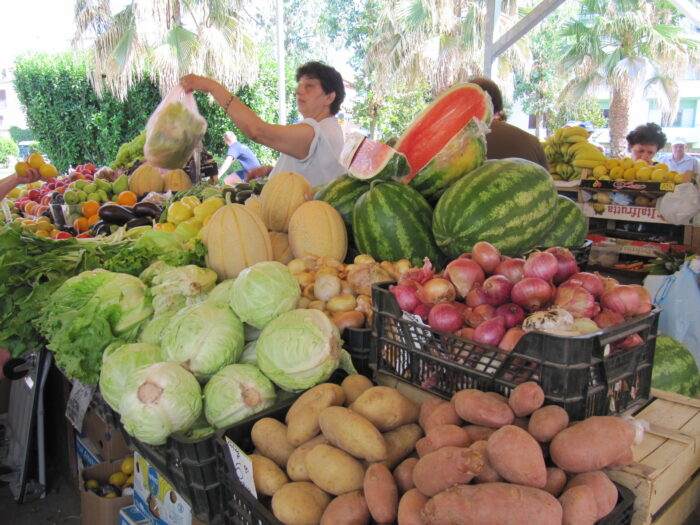
According to Food and Agriculture Organization of the United Nations food and water security are closely interconnected concepts that are essential for human well-being, sustainable development, and economic growth. Adequate access to safe food depends heavily on the availability of sufficient and good-quality water resources for agriculture, food processing, and household use. As populations grow and climate change intensifies, ensuring both food and water security has become a major global challenge.
A. FOOD AND WATER SECURITY:
Source: IFPRI
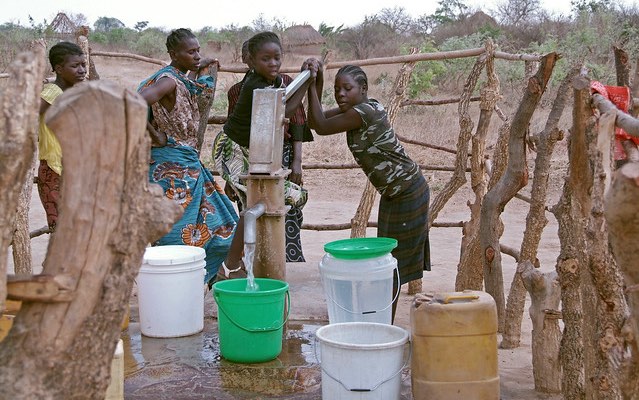
Food and water security are fundamental to sustainable development and human survival. Since agriculture depends heavily on water resources, managing water sustainably is essential for ensuring sufficient food production. Addressing challenges such as climate change, water scarcity, pollution, and population growth requires integrated policies, technological innovation, and international cooperation.
1. FOOD SECURITY:

Source: World Vision Canada
Food security exists when all people, at all times, have physical, social, and economic access to sufficient, safe, and nutritious food that meets their dietary needs and food preferences for an active and healthy life. This definition was adopted at the 1996 World Food Summit and is widely used by international organizations.
Here are Four Pillars of Food Security:
- Availability: Sufficient quantities of food are consistently available;
- Access: People have adequate resources to obtain appropriate foods;
- Utilization: Food is properly used through adequate diet, clean water, sanitation, and healthcare; and
- Stability: Availability, access, and utilization remain stable over time without disruptions.
2. WATER SECURITY:
Source: Food & Agriculture Organization of the United Nations
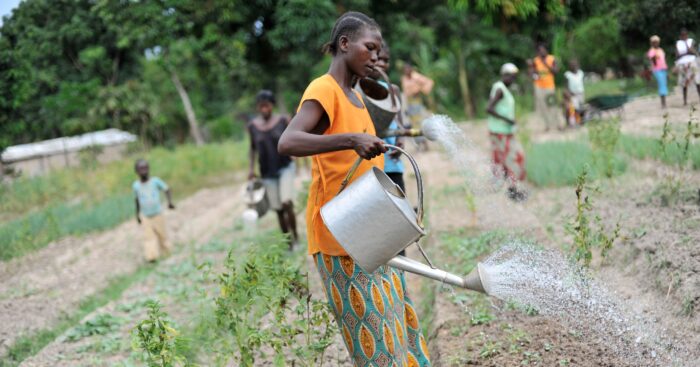
Water security refers to the reliable availability of an adequate quantity and acceptable quality of water for health, livelihoods, ecosystems, and productive activities while minimizing water-related risks such as droughts, floods, pollution, and ecosystem degradation. Key components of water security include:
- Availability of sufficient water resources;
- Access to safe drinking water and sanitation;
- Protection against water pollution;
- Management of droughts and floods; and
- Conservation of freshwater ecosystems.
3. RELATIONSHIP BETWEEN FOOD AND WATER SECURITY:

Source: Food and Agriculture Organization of the United Nations
Food security and water security are inseparable because agriculture is the largest consumer of freshwater worldwide, accounting for approximately 70–72 percent of global freshwater withdrawals. Water is needed for crop irrigation, livestock production, fisheries, and food processing. Water shortages directly affect food production, leading to reduced yields, higher food prices, and increased hunger.
The Food and Agriculture Organization (FAO) emphasizes that food security can only be achieved alongside water security because many agricultural systems depend on reliable water supplies and effective water management.
4. CHALLENGES TO FOOD AND WATER SECURITY:
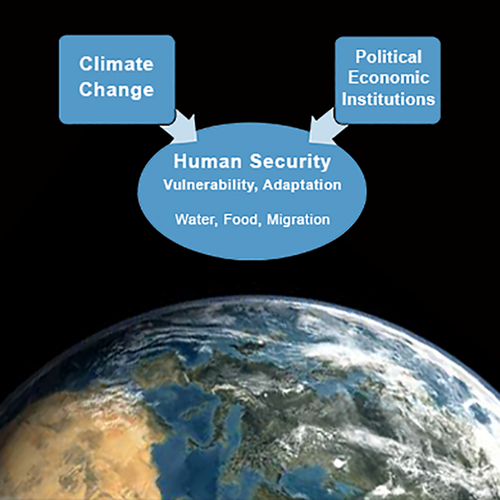
- Climate Change: Climate change increases the frequency and severity of droughts, floods, and unpredictable rainfall patterns, negatively affecting agricultural productivity and water availability;
- Population Growth: The global population is expected to exceed 9 billion by 2050, increasing demand for food and water resources while the amount of available arable land and freshwater remains limited;
- Water Security: Water shortages affect billions of people worldwide. FAO estimates that high or very high water scarcity impacts around 3.2 billion rural people, threatening agricultural production and livelihoods;
- Water Pollution: Poor water quality caused by salinity, industrial waste, agricultural runoff, and contaminants such as arsenic reduces agricultural productivity and poses risks to human health; and
- Unsustainable Agricultural Practices: Over-irrigation, groundwater depletion, deforestation, and poor land management contribute to water stress and environmental degradation.
5. STRATEGIES TO IMPROVE FOOD AND WATER SECURITY:
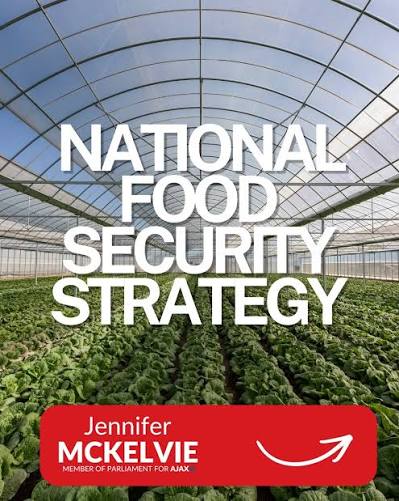
- Adoption of efficient irrigation technologies;
- Rainwater harvesting and water conservation practices;
- Sustainable agricultural methods and climate-smart farming;
- Protection of watersheds and freshwater ecosystems;
- Improved governance and integrated water resource management; and
- Investment in research, innovation, and early warning systems.
B. MONATORY IMPACT OF FOOD AND WATER SECURITY:
Food and water security are fundamental to economic stability, human health, and sustainable development. When food and water systems are disrupted by climate change, droughts, pollution, conflict, or poor resource management, the financial consequences can be enormous.
Food insecurity affects agricultural productivity, healthcare costs, labor productivity, trade, and social stability.
- KEY GLOBAL COSTS:
- The global food system generates an estimated $12.7 trillion per year in hidden environmental, health, and social costs, equivalent to about 10 percent of global Gross Domestic Product (GDP) – The market value of all final goods and services produced within a country over a specific period. These costs include malnutrition, obesity-related diseases, environmental degradation, and lost productivity;
- A recent United Nations environmental assessment estimated that unsustainable food production alone contributes approximately $20 trillion annually in environmental and social damages; and
- Acute food insecurity continues to affect hundreds of millions of people. In 2025, approximately 266 million people across 47 countries faced severe food insecurity, creating significant economic burdens through humanitarian aid, healthcare expenses, and lost economic output.
2. CLIMATE-RELATED FOOD SECURITY RISKS:
Climate change is increasing droughts, floods, and extreme weather events, reducing crop yields and increasing food prices. By 2050, global food demand is expected to rise by more than 70 percent, placing additional pressure on already stressed food systems.
3. WATER SECURITY: ECONOMIC IMPACT:
Water security affects agriculture, energy production, manufacturing, public health, and ecosystem services.
4. KEY GLOBAL COSTS:
- Water-related sectors support approximately 1.7 billion jobs worldwide, making water security a critical economic issue. Water shortages can cause major economic losses and unemployment.;
- The World Bank estimates that achieving global water supply and sanitation goals requires US$131–140 billion annually nearly double current public investment levels;
- Water scarcity threatens food production globally. Studies indicate that by 2030, freshwater demand could exceed supply by 40 percent, creating substantial economic risks for agriculture and industry; and
- According to analyses cited by global water organizations, water-related assets and industries account for roughly 60 percent of global GDP, placing approximately US$58 trillion in economic value at risk from water insecurity.
5. AGRICULTURE WATER SECURITY:
- Irrigated agriculture represents only 20 percent of farmland but produces 40 percent of global food. Improving agricultural water management could generate 245 million long-term jobs globally while improving food security and economic resilience; and
- Expanding and modernizing irrigation systems worldwide are estimated to require US$24–70 billion per year through 2050.
6. COMBINED ECONOMIC IMPACT:
Food and water security are closely linked:
| Impact Area | Estimated Annual Economic Cost |
| Hidden costs of global food systems | ~$12.7 trillion/year |
| Environmental and social damages from food production | ~$20 trillion/year |
| Required investment for water and sanitation goals | $131–140 billion/year |
| Economic value dependent on water resources | ~$58 trillion at risk |
| Irrigation modernization needs | $24–70 billion/year |
These figures demonstrate that food and water insecurity are not only humanitarian and environmental issues but also major economic risks affecting global growth, public health, trade, and political stability.
Please click the following link to watch a brief (1.46 Minutes) video produced by Earth Conservation:
