
Key scientific concerns about climate change are based on extensive evidence from observations, climate models, and multiple scientific disciplines studying Earth’s climate system. This is the second article on the series of eight concerns.
Sea-level rise is one of the most significant and visible consequences of climate change. As global temperatures increase, oceans warm and expand, while glaciers and ice sheets melt, adding more water to the seas. Rising sea levels increase the risk of coastal flooding, shoreline erosion, saltwater intrusion into freshwater resources, and damage to ecosystems such as wetlands and mangroves. They also threaten homes, infrastructure, and livelihoods in coastal communities around the world, especially for coastal regions.
Sea level rise is both a result of climate change and a factor that increases climate-related risks. Higher sea levels amplify the impacts of storms, flooding, and coastal erosion, making communities more vulnerable to extreme weather events.
Sea-level rise does not directly cause climate change; rather, it is a consequence of climate change that amplifies its effects. Higher sea levels make storm surges and coastal flooding more severe. Scientists project that sea levels will continue to rise throughout this century unless greenhouse gas emissions are significantly reduced.
- MAJOR DIRECT IMPACTS:
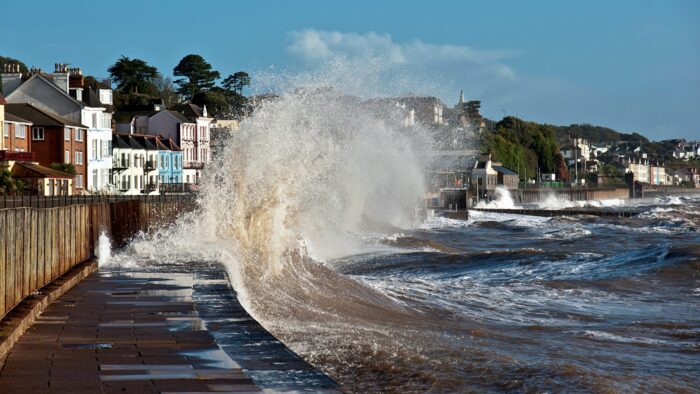
- Increased Coastal Flooding: Higher sea levels allow tides and storm surges to reach farther inland, causing more frequent and severe flooding in coastal communities. Events that were once considered “100-Year Floods” are becoming much more common. Even normal high tides can cause flooding in low-lying coastal areas. Storm surges during hurricanes and cyclones also reach farther inland;
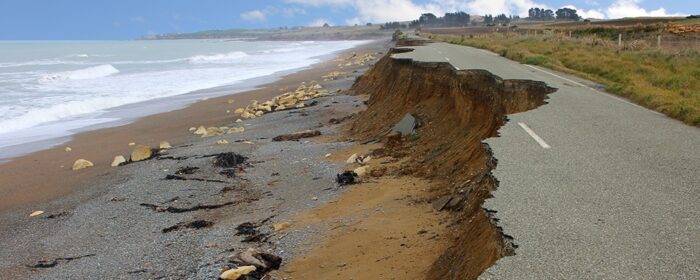
- Coastal Erosion: Rising seas accelerate the erosion of beaches, cliffs, wetlands, and shorelines. This can lead to the loss of land, property, and natural coastal defenses. Shorelines, threatening homes, roads, and ecosystems. Coastal communities often face expensive adaptation measures to protect infrastructure.
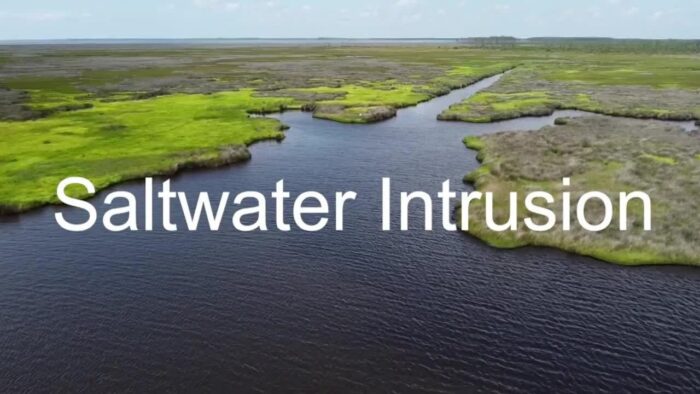
- Saltwater Intrusion: As sea levels raise, saltwater moves into freshwater aquifers, rivers, and estuaries. This threatens drinking water supplies, agricultural irrigation, and ecosystems.
- Damage to Infrastructure: Roads, bridges, ports, power plants, sewage treatment facilities, and other critical infrastructure located near coastlines become increasingly vulnerable to flooding and storm damage;
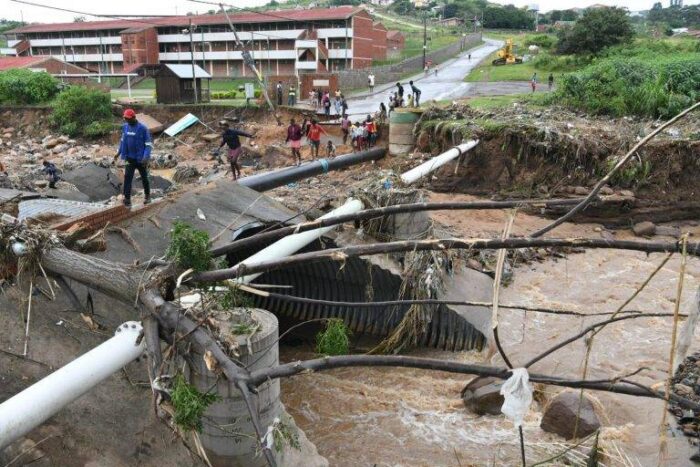
- Loss of Coastal Ecosystems: Wetlands, mangroves, coral reefs, and coastal habitats are threatened by rising waters. These ecosystems provide natural flood protection, carbon storage, and habitat for fish and wildlife;
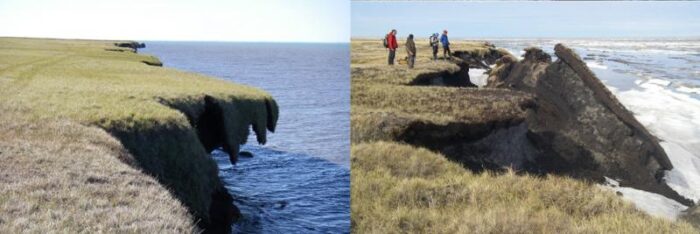
- Human Displacement: Millions of people living in low-lying coastal areas and small island nations face increasing risks of displacement and relocation due to permanent inundation and repeated flooding;
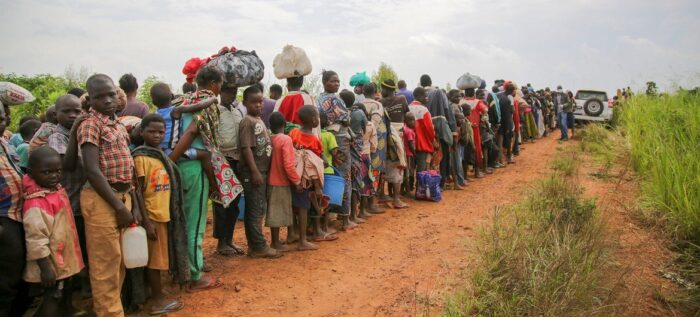
- Public Health Risks: Sea-level rise can contaminate drinking water, damage sanitation systems, increase waterborne diseases, and create health challenges for displaced populations; and

- Economic Losses: Damage to homes, businesses, transportation networks, tourism infrastructure, and agricultural land can result in substantial economic costs for coastal regions and national economies.

The United Nations reports that global sea level is rising at rates unprecedented in at least 3,000 years and that the rate is accelerating due to human-induced global warming. Coastal communities worldwide are already experiencing the impacts.
Sea-level rise is not simply an environmental issue—it directly affects flooding, infrastructure, freshwater supplies, ecosystems, public health, and economic stability. As global temperatures continue to rise, sea-level rise is expected to become one of the most costly and far-reaching impacts of climate change during the 21st century.
Please click the following link to watch a NASA video only for 1:39 minutes:
