
Key scientific concerns about climate change are based on extensive evidence from observations, climate models, and multiple scientific disciplines studying Earth’s climate system. This is the fifth article on the series of eight concerns..
Ocean acidification is the process by which the ocean absorbs CO₂ (Carbon Dioxide) from the atmosphere, causing chemical reactions that lower seawater pH (Potential of Hydrogen) and increase its acidity. Since the Industrial Revolution, the world’s oceans have become approximately 26 percent more acidic due to the absorption of human-generated CO₂ emissions.

As human activities release more CO₂ through the burning of fossil fuels, deforestation, and industrial processes, the oceans absorb approximately 25–30 percent of these emissions. While this helps slow atmospheric warming, it alters ocean chemistry and makes seawater more acidic. Here is a reality check:
Average ocean acidity has increased by approximately 26 percent since the beginning of the Industrial Revolution.
Ocean acidification is often called the “Evil Twin” of climate change because both are caused by rising atmospheric CO₂ levels. ENVIRONMENTAL IMPACTS
A. ENVIRONMENTAL IMPACTS:
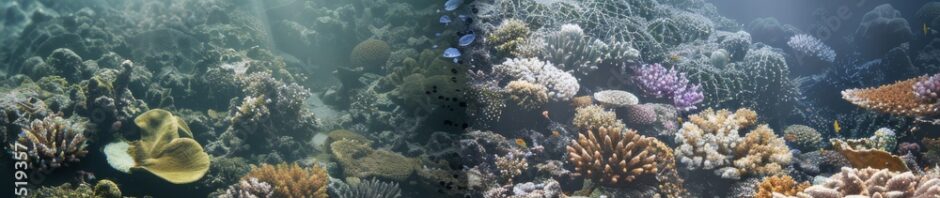
- Damage to Coral Reefs: Corals rely on calcium carbonate to build their skeletons. As ocean acidity increases, it becomes more difficult for corals to grow and maintain reef structures. This threatens biodiversity because coral reefs support approximately 25 percent of marine species;

Source: Greater Cleveland Aquarium
2. Threats to Shellfish: Species such as oysters, mussels, clams, and scallops struggle to form and maintain shells in more acidic waters. Young shellfish are particularly vulnerable;
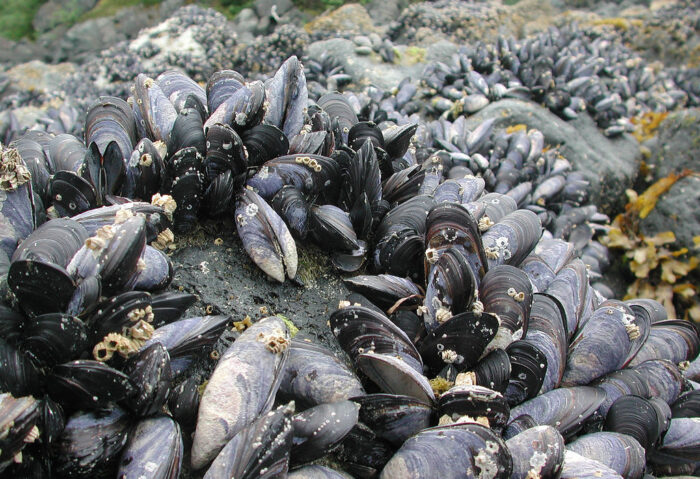
Source: NOVA Ocean Acidification Program
3. Impacts on Marine Food Webs: Tiny organisms such as pteropods (Sea Snails) and some plankton species are affected by acidification. Since these organisms form the base of many marine food chains, their decline can affect fish, marine mammals, and seabirds; and

Source: Sustainable Living Environmental Blog
4. Effects on Fish: Research indicates that acidification can affect fish behavior, growth, sensory abilities, and migration patterns, potentially disrupting marine ecosystems and fisheries.
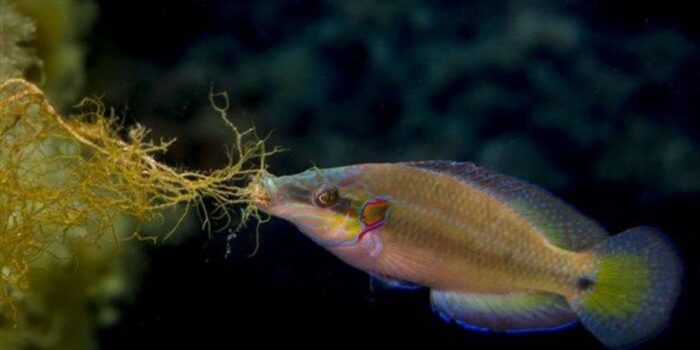
Source: The Scientist
B. ECONOMIC AND SOCIAL CONSEQUENCES:
Ocean acidification threatens:
- Commercial fisheries;
- Aquaculture industries;
- Coastal tourism; and
- Food security for millions of people worldwide.
Communities that depend heavily on seafood and healthy marine ecosystems may face significant economic losses.
C. RECENT SCIENTIFIC FINDINGS:
Recent international research suggests that ocean acidification may have crossed a critical planetary boundary, meaning that ocean chemistry changes are now affecting large portions of marine ecosystems worldwide. Scientists estimate that more than 40 percent of surface ocean waters and up to 60 percent of subsurface waters have exceeded proposed safety thresholds for marine life.
Canada has the world’s longest coastline and borders three oceans—the Arctic, Pacific, and Atlantic. As a result, Canada is particularly vulnerable to ocean acidification, which is increasingly recognized as a major climate-related threat to marine ecosystems, fisheries, Indigenous communities, and coastal economies. Recent Canadian research identifies ocean acidification as one of the most significant long-term stressors affecting Canada’s oceans.
D. CANADA’S VULNERABILITY:
The following factors increase Canada’s vulnerability:
- Cold waters absorb more carbon dioxide than warm waters;
- Rapid warming and melting sea ice accelerate acidification in northern regions;
- Upwelling along the Pacific coast brings naturally acidic deep water to the surface; and
- Many economically important Canadian species depend on calcium carbonate shells and skeletons.
Here’s a brief explanation:
- ARCTIC OCEAN: The Arctic Ocean is acidifying faster than any other ocean region on Earth. Research involving Fisheries and Oceans Canada scientists indicates that some parts of the Arctic are acidifying three to four times faster than the global ocean average.
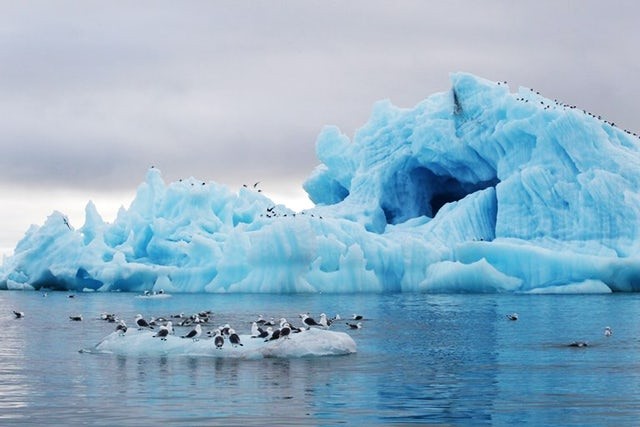
Source: Linkedin
- Major Impacts:
- Shell-forming organisms such as pteropods (Sea Butterflies) are experiencing shell dissolution.
- Food webs that support fish, seals, whales, and seabirds are becoming increasingly vulnerable.
- Indigenous communities that depend on marine resources face growing ecological risks.
- Changes in sea ice and freshwater inputs further accelerate acidification.
- A Canadian Arctic study found widespread shell damage in pteropods in the Amundsen Gulf, demonstrating that acidification is already affecting marine organisms in Canadian waters.
- Potential Consequences:
- Reduced fish productivity;
- Altered marine food chains;
- Impacts on subsistence harvesting; and
- Economic risks to northern communities.
2. PACIFIC OCEAN: Canada’s Pacific coast is considered one of the most vulnerable marine regions to ocean acidification because of seasonal upwelling that brings deep, naturally acidic water to the surface. This process is being intensified by climate change and increasing atmospheric CO₂ concentrations.

Resource: Sustainable Living Environmental Blog
- Species at Risk:
- Oysters;
- Mussels;
- Clams;
- Crabs; and
- Some salmon prey species.
- Economic Impacts:
- British Columbia’s shellfish industry is particularly vulnerable because juvenile shellfish are highly sensitive to acidic conditions. Acidification can reduce growth rates, weaken shells, and increase mortality.
- Ecosystem Effects:
- Changes in plankton populations;
- Reduced availability of prey for salmon;
- Combined stress from warming waters and low oxygen conditions; and
- Potential impacts on commercial fisheries and coastal communities.
3. ATLANTIC OCEAN: Although Atlantic Canada currently experiences somewhat slower acidification than the Arctic, researchers expect significant impacts over coming decades, particularly in the Gulf of St. Lawrence and coastal Atlantic waters.

- Vulnerable Species:
- Lobster;
- Snow crab;
- Scallops;
- Mussels; and
- Oysters.
These species contribute billions of dollars annually to Atlantic Canada’s economy.
- Key Risks:
- Reduced shell formation in juvenile shellfish;
- Increased vulnerability to disease;
- Potential changes in species distribution;
- Combined impacts from ocean warming and deoxygenation;
- Scientists are particularly concerned about the interaction of acidification with warming; and
- Waters, which may amplify biological stress and ecosystem disruption.
E. ECONOMIC CONSEQUENCES FOR CANADA:
Ocean acidification threatens sectors that contribute billions of dollars annually to Canada’s economy:
| Sector | Potential Impact |
| Commercial Fisheries | Reduced productivity and species shifts |
| Aquaculture | Increased mortality of shellfish larvae |
| Tourism | Damage to marine ecosystems |
| Indigenous Harvesting | Reduced availability of traditional foods |
| Coastal Communities | Economic and employment impacts |
Canada’s extensive dependence on healthy marine ecosystems means that ocean acidification could have significant long-term economic and social consequences.
F. WHAT CANADA IS DOING:
- Research and monitoring efforts are being led by:
- Fisheries and Oceans Canada;
- Canadian Ocean Acidification Community of Practice;
- Canadian universities and research institutes; and
- Indigenous knowledge partnerships.
These programs monitor ocean chemistry, study biological impacts, and develop adaptation strategies for vulnerable ecosystems and industries.
G. CONCLUSION:
Ocean acidification is already affecting Canadian waters, particularly in the Arctic and Pacific regions. The Arctic is experiencing some of the fastest acidification rates in the world, while British Columbia’s coastal waters are vulnerable because of naturally acidic upwelling. Atlantic Canada also faces increasing risks to shellfish and fisheries. Without significant reductions in global CO₂ emissions, ocean acidification is expected to intensify throughout the 21st century, threatening marine biodiversity, fisheries, Indigenous livelihoods, and coastal economies across Canada.
H. POTENTIAL SOLUTIONS:
- Reduce CO₂ Emissions: The most effective long-term solution is reducing greenhouse gas emissions through:
- Renewable energy deployment;
- Improved energy efficiency;
- Electrification of transportation; and
- Protection of forests and other carbon sinks.
- Protect Marine Ecosystems: Healthy ecosystems such as:
- Mangrove forests;
- Seagrass meadows; and
- Salt marshes can help absorb carbon and increase resilience to acidification.
- Improve Coastal Management: Reducing nutrient runoff, pollution, and overfishing can help marine ecosystems better withstand the effects of acidification.
Please click the following link to watch a brief (2:51 Minutes) video on the subject which was produced by Fisheries and Ocean Canada:
