

Key scientific concerns about climate change are based on extensive evidence from observations, climate models, and multiple scientific disciplines studying Earth’s climate system. This is the sixth article on the series of eight concerns.
Biodiversity refers to the variety of life on Earth, encompassing genetic, species, and ecosystem diversity, which is essential for ecological balance, human survival, and the resilience of natural systems.

Source: Earth.org
Healthy ecosystems provide essential services such as clean air and water, fertile soils, climate regulation, pollination of crops, and protection against floods and droughts. The regrettable fact is that human activities are causing biodiversity to decline at an unprecedented rate, disrupting ecosystems and threatening both environmental and human well-being.

Source: Green Health
Biodiversity loss is the reduction in the number, genetic diversity, and abundance of species within ecosystems. According to the Intergovernmental Science-Policy Platform on Biodiversity and Ecosystem Services, the current rate of species extinction is tens to hundreds of times higher than the average over the past 10 million years, with approximately one million species now threatened with extinction.

Source: Alamy
As biodiversity declines, ecosystems become disrupted and less resilient. This can destabilize food webs, reduce essential ecosystem services such as pollination and water purification, weaken natural defenses against floods and droughts, and threaten global food security and human health.
A. MAJOR CAUSES OF BIODIVERSITY LOSS:
- HABITATE DESTRUCTION AND FRAGMENTATION:
Recent evidence highlights the seriousness of the crisis. The World Wide Fund for Nature (WWF) reported that monitored wildlife populations declined by an average of 73 percent between 1970 and 2020, indicating that ecosystems worldwide are under increasing stress. Habitat loss and degradation remain the leading causes of this decline.
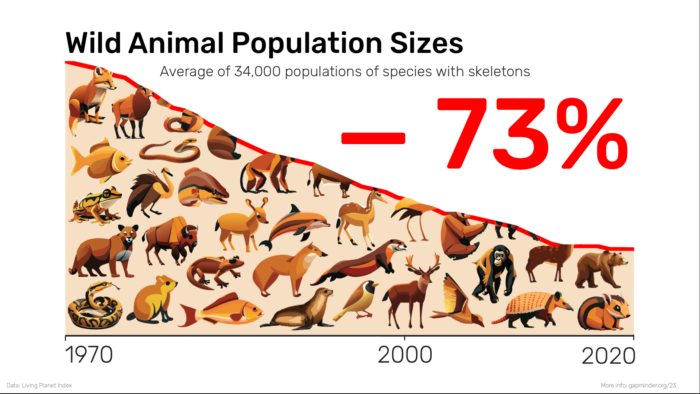
Source: Gapminder
Similarly, the Intergovernmental Science-Policy Platform on Biodiversity and Ecosystem Services (IPBES) concluded that approximately one million species are threatened with extinction, many within decades, unless transformative action is taken to address the underlying drivers of biodiversity loss.

Source: Nature Canada
The conversion of forests, wetlands, grasslands, and coastal habitats into agricultural land, urban areas, and industrial developments is the leading cause of biodiversity decline. Habitat loss reduces the space available for species to survive and reproduce.
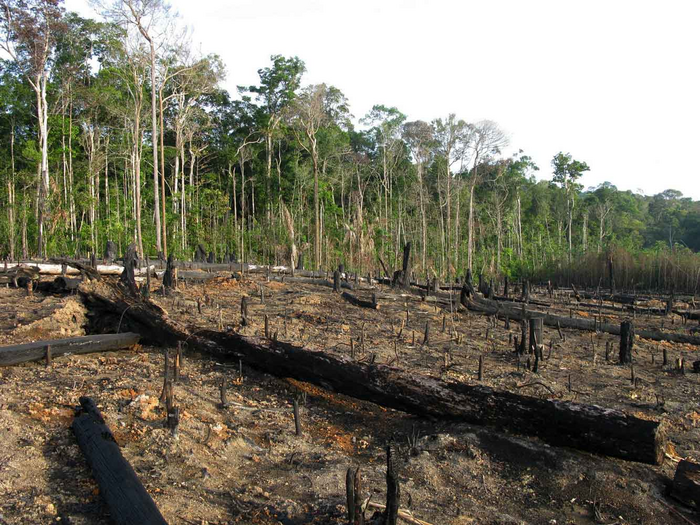
Source: Eurek Alert
- Examples include:
- Tropical deforestation for agriculture;
- Wetland drainage for urban expansion; and
- Infrastructure development that fragments wildlife corridors.
WWF identifies habitat degradation and loss as the most frequently reported threat across all regions.

Source: Pinterest
- CLIMATE CHANGE:
Rising temperatures, changing precipitation patterns, melting ice, and more frequent extreme weather events alter habitats and species distributions.
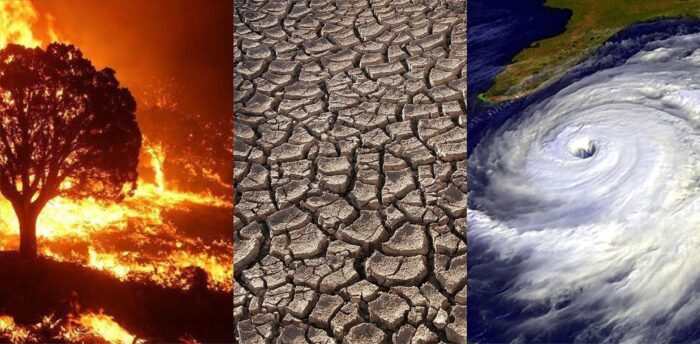
Source: NASA Science
- Climate change contributes to:
- Coral bleaching;
- Shifts in migration patterns;
- Increased wildfire intensity;
- Loss of Arctic habitats; and
- Greater extinction risk for vulnerable species.
Recent studies have shown that climate-driven extreme weather can devastate already threatened species. For example, severe rainfall and landslides in Indonesia destroyed significant habitat for the critically endangered Tapanuli orangutan population.
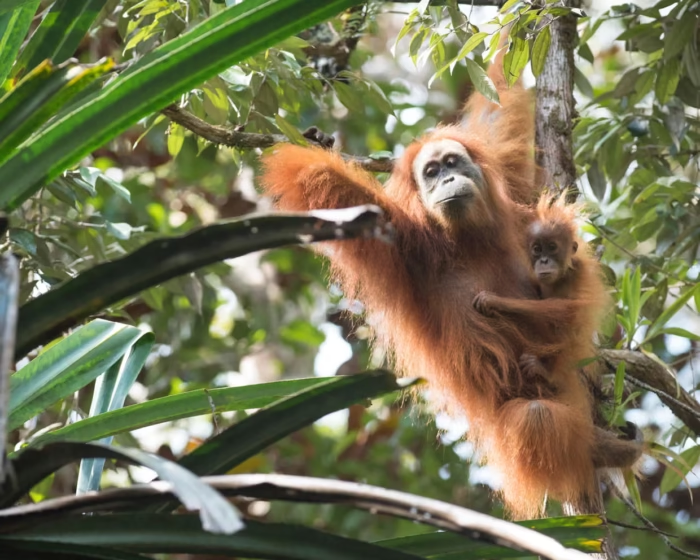
Source: Guardian
- POLLUTION:
- Pollution damages ecosystems through:
- Plastic contamination;
- Nutrient runoff causing dead zones;
- Pesticides harming pollinators;
- Heavy metals contaminating food chains; and
- Oil spills affecting marine life.
The oceans are experiencing increasing stress from pollution combined with climate change and overfishing.

Source: Sustainable Living Environmental Blog
- OVEREXPLOITATION OF NATURAL RESOURCES:
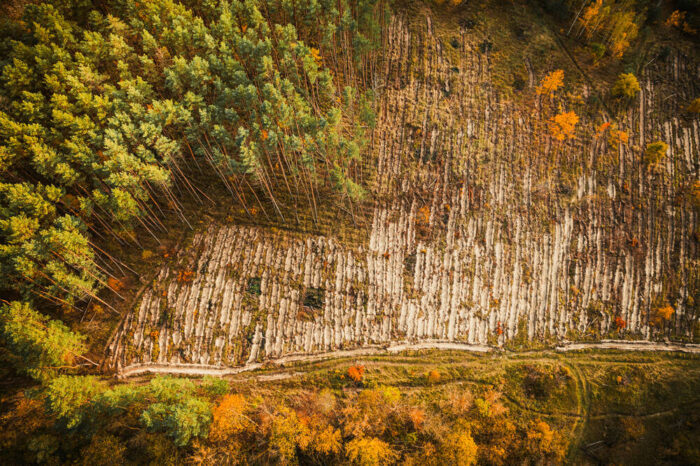
Unsustainable harvesting exceeds the natural capacity of species to recover.
Source: Gaia
- Examples include:
- Overfishing;
- Illegal wildlife trade;
- Excessive logging; and
- Unsustainable hunting practices.
- INVASIVE SPECIES:
Non-native species introduced intentionally or accidentally can outcompete native organisms, spread diseases, and alter ecosystem functions.

- Examples include:
- Zebra mussels in North America.
- Emerald ash borer affecting Canadian forests.
- European green crab in coastal ecosystems.
B. ECOSYSTEM DISRUPTION:
Ecosystems consist of interconnected relationships among species and their environment. When biodiversity declines, these relationships weaken or collapse.

Source: Conservation Foundation
- FOOD WEB INSTABILITY:
- The loss of one species can trigger cascading effects throughout the food chain.
- For Example:
- Declining insect populations reduce food availability for birds; and
- Predator loss can lead to herbivore overpopulation and vegetation degradation.
- DECLINE IN ECOSYSTEM SERVICES:
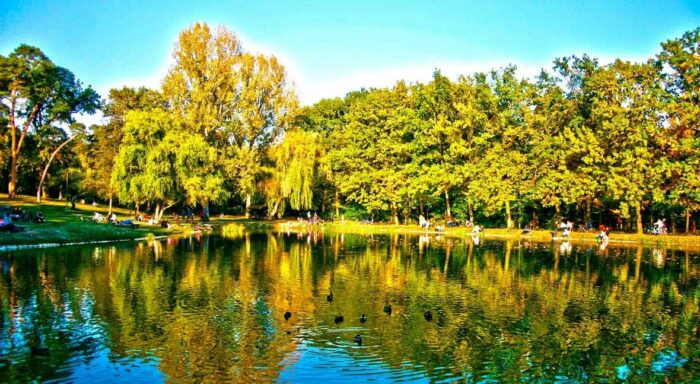
- Nature provides services essential to human survival:
Source: Smart Water Magazine
| Ecosystem Service | Importance |
| Pollination | Supports crop production and food security |
| Water purification | Filters pollutants naturally |
| Climate regulation | Forests and oceans absorb carbon dioxide |
| Soil fertility | Maintains agricultural productivity |
| Flood protection | Wetlands buffer storm surges and flooding |
Disruptions reduce these benefits and increase economic costs.
- REDUCED ECOSYSTEM RESILIANCE:
Source: Enel Group
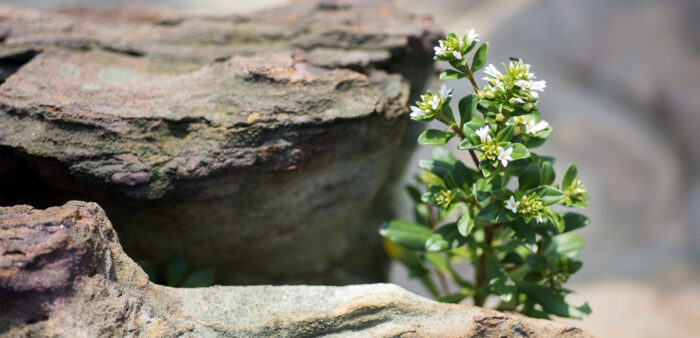
Biodiverse ecosystems are generally more capable of recovering from disturbances such as droughts, fires, and disease outbreaks.
Loss of diversity reduces this resilience, making ecosystems more vulnerable to collapse.
- ECONOMIC CONSEQUENCES:
Source: Linkedin
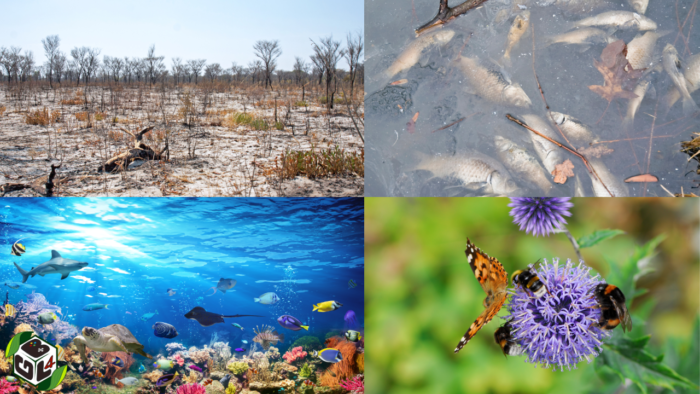
Biodiversity loss also poses financial risks. A recent study estimated that ecosystem degradation could contribute to substantial global economic losses and sovereign debt pressures by undermining services such as pollination, fisheries, and forest productivity.
C. WHY BIODIVERSITY MATTERS TO HUMANS:
- Biodiversity Supports:
- Global food production;
- Medicines derived from natural compounds;
- Livelihoods for billions of people;
- Cultural and recreational values;
- Climate stability; and
- Human health and disease regulation.
Its decline therefore affects not only wildlife but also economies, public health, and social stability.
D. POTENTIAL SOLUTIONS TO ADDRESS BIODIVERSITY LOSS:
- PPROTECT AND RESTORE HABITATS:
- Expand protected areas;
- Restore wetlands and forests; and
- Reconnect fragmented habitats.
- TRANSFORM FOOD SYSTEMS:
- Promote sustainable agriculture;
- Reduce food waste; and
- Encourage regenerative farming practices.
- REDUCE GREENHOUSE GAS EMISSIONS:
- Transition to low-carbon energy systems;
- Improve energy efficiency; and
- Protect natural carbon sinks.
- CONROL POLLUTION:
- Reduce plastic waste;
- Improve wastewater treatment; and
- Minimize pesticide use.
- STRENGHTEN CONSERVATION POLICIES:
- Enforce anti-poaching laws;
- Combat illegal wildlife trade; and
- Support Indigenous stewardship and community-based conservation.
- INDIVIDUAL ACTIONS:
- People can contribute by:
- Choosing sustainably sourced products;
- Reducing waste;
- Supporting conservation organizations;
- Planting native species; and
- Advocating for stronger environmental policies.
E. CONCLUSION:

Source: Ducks Unlimited Canada
Biodiversity loss and ecosystem disruption represent one of the defining environmental challenges of our time. The decline of species weakens the natural systems that sustain life, increasing vulnerability to climate change, food insecurity, economic instability, and health risks. Although the trends are alarming, scientific evidence also shows that conservation, restoration, and sustainable development can reverse many of these losses if implemented urgently and at scale.
Please click the following link to watch a brief (3:05 Minutes) video on the subject which is produced by WWF International:
