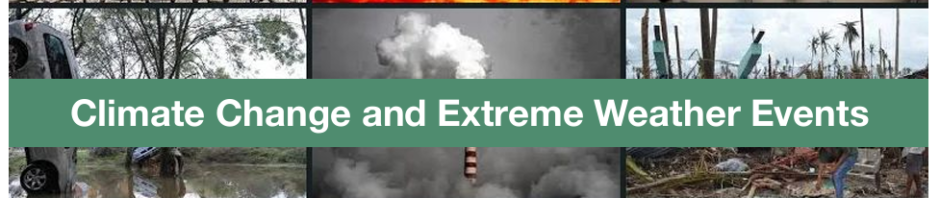

Key scientific concerns about climate change are based on extensive evidence from observations, climate models, and multiple scientific disciplines studying Earth’s climate system. This is the third article on the series of eight concerns.
The Earth’s average temperature has increased by approximately 1.3°C above pre-industrial levels due primarily to greenhouse gas emissions from burning fossil fuels. A warmer atmosphere and oceans create conditions that favor more extreme weather.

Extreme weather events are becoming one of the most significant manifestations of climate change. The strongest scientific evidence links climate change to more intense heatwaves, heavier rainfall, worsening droughts, greater wildfire risk, and stronger precipitation from tropical cyclones. Advances in attribution science now allow researchers to quantify how human activities have increased the likelihood and severity of many individual weather disasters, providing a clearer understanding of the risks posed by a warming world.
According to National Academies, extreme weather events are among the most visible and costly consequences of climate change. Scientific evidence shows that human-induced warming is increasing the frequency, intensity, and duration of many types of extreme weather events.
Research published in Nature Communications estimated that approximately US$143 billion per year of extreme-weather-related damages can be attributed specifically to human-caused climate change. This figure includes both direct economic losses and the monetized value of human impacts.
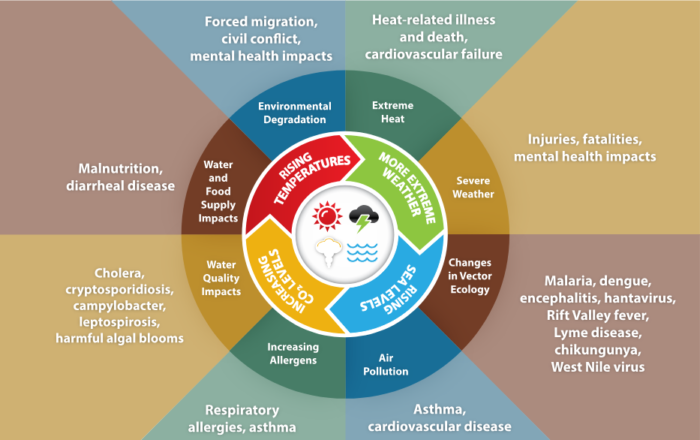
Climate-related extreme weather events are having significant economic, social, health, and environmental impacts across Canada. These events include wildfires, floods, heat waves, droughts, severe storms, coastal erosion, and hurricanes, all of which are becoming more frequent and intense as the climate warms.

Source: National Environmental Satellite, Data, Information Services
In August 2024, the remnants of Hurricane Debby brought record-breaking floods to Quebec, inundating 55 communities. Just a month before, nearly 10 centimetres of rain fell in Toronto in three hours, overwhelming the city’s infrastructure and flooding many homes and businesses. In November 2021, an atmospheric river unleashed record-breaking rain in British Columbia, triggering landslides and floods that caused extensive damage, cutting off main access routes to several areas of the province, severely impairing the economy.

Source: CityNews Montreal
As climate change worsens, Canadians will experience a significant increase in the frequency and intensity of these kinds of flood events. Warmer air, caused by increasing concentrations of heat-trapping gases in the atmosphere, holds more moisture, leading to heavier rainfall and more intense storms. This, combined with melting snow packs, rising sea levels, and changing weather patterns, has created the conditions for more severe and unpredictable flooding. These floods are devastating for communities, economies, and livelihoods.

Source: CBC News
While extreme weather has always occurred naturally, climate change is altering the probability and severity of many of these events.
A. EXTREME EVENT ATTRIBUTION:
Here’s a brief description of each extreme weather events:
- MORE FREQUENT AND INTENSE HEATWAVES:

Heatwaves are the clearest example of climate change’s influence on weather.
Climate scientists have found strong evidence that human-caused warming has increased both the likelihood and intensity of extreme heat events around the world. Many recent heatwaves would have been extremely unlikely or virtually impossible without climate change.
- IMPACTS:
- Increased heat-related deaths;
- Reduced agricultural productivity ;
- Greater electricity demand; and
- Infrastructure damage.
The World Meteorological Organization (WMO) reports that the period from 2015–2025 was the warmest 11-year period on record.
2. INCREASE HEAVY RAINFALL AND FLOODING:

A warmer atmosphere can hold about 7 percent more water vapor for every 1°C of warming. This means storms can produce heavier rainfall, increasing flood risks.
- IMPACTS:
- Urban flooding;
- River flooding;
- Landslides; and
- Damage to transportation and infrastructure.
Many attribution studies have linked recent extreme rainfall events to human-caused climate change.
3. MORE SEVERE DROUGHTS:

Higher temperatures increase evaporation from soils, lakes, and vegetation. In regions already prone to dry conditions, climate change can intensify droughts.
- IMPACTS:
- Water shortages;
- Reduced crop yields;
- Ecosystem degradation; and
- Increased wildfire risk.
Recent WMO assessments highlight severe drought impacts across multiple continents.
4. STRONG TROPICAL CYCLONES AND HURRICANES:

Climate change does not necessarily increase the total number of tropical cyclones globally, but warmer ocean temperatures can make the strongest storms more intense and produce heavier rainfall.
- IMPACTS:
- Higher storm surges;
- More flooding;
- Greater infrastructure damage; and
- Increased economic losses.
Research indicates that climate change is increasing wildfire risk in many parts of the world, including Canada, Europe, Australia, and the western United States.
5. INCREASE WILDFIRE RISK:

Hotter temperatures and prolonged drought create conditions that increase wildfire frequency and severity in many regions. Climate change contributes to longer fire seasons and drier vegetation.
- IMPACTS:
- Loss of forests;
- Air pollution;
- Property destruction; and
- Carbon emissions that further contribute to warming.
Scientists continue to observe increasing risks from stronger storms fueled by warmer oceans.
B. ECONOMIC AND SOCIAL CONSEQUENCES:
Extreme weather events are causing increasing economic losses worldwide.
- Key impacts include:
- Damage to homes and infrastructure;
- Agricultural losses;
- Higher insurance costs;
- Disruption of transportation and supply chains;
- Increased healthcare costs; and
- Loss of life and displacement of communities.
The most vulnerable populations—including low-income communities, Indigenous populations, and developing countries—often face the greatest risks.
C. CONCLUSION:
Extreme weather events are becoming a defining feature of climate change. Scientific assessments from NASA, the WMO, and the Intergovernmental Panel on Climate Change (IPCC) conclude that human-caused greenhouse gas emissions are increasing the likelihood and severity of many weather extremes. As global temperatures continue to rise, societies face growing challenges related to public health, food security, water resources, infrastructure resilience, and economic stability. Effective adaptation measures, early warning systems, and reductions in greenhouse gas emissions are essential to limit future risks.
The bottomline is that the severity of future impacts depends largely on how quickly global greenhouse gas emissions are reduced and how effectively societies adapt to changing climate conditions.
Here’s a video on the subject from National Geographic only for 1:21 minutes:
