
Key scientific concerns about climate change are based on extensive evidence from observations, climate models, and multiple scientific disciplines studying Earth’s climate system. This is the fourth article on the series of eight concerns.
Melting glaciers and polar ice are both a consequence and an accelerator of climate change. Their impacts extend far beyond the Polar Regions, contributing to sea-level rise, altering ocean circulation, increasing flooding risks, reducing freshwater availability, and amplifying global warming through feedback mechanisms. Because ice-sheet changes can continue for centuries, actions taken today to reduce greenhouse gas emissions will influence climate and sea-level conditions for generations to come.
A. IMPACTS:
1. SEA-LEVEL RISE:

The most direct impact of melting glaciers and ice sheets is raising sea level:
- When glaciers and ice sheets in Greenland and Antarctica lose ice, meltwater flows into the oceans;
- NASA estimates that meltwater from glaciers and ice sheets accounts for roughly two-thirds of current global sea-level rise; and
- Rising seas increase coastal flooding, erosion, saltwater intrusion into freshwater aquifers, and damage to infrastructure.
Recent research found that glacier melt alone contributed about 18 mm of global sea-level rise between 2000 and 2023.
2. LOSS OF EARTH’S REFLECTIVE SHIELD (Albedo Effect):

Source: LA Times
Snow and ice reflect a large portion of the Sun’s energy back into space:
- As ice melts, darker ocean water and land surfaces are exposed;
- These darker surfaces absorb more solar energy, causing additional warming; and
- This creates a positive feedback loop: warming causes melting and melting causes further warming.
This process is particularly significant in the Arctic, where temperatures are increasing much faster than the global average.
3. CHANGES TO OCEAN CIRCULATION:
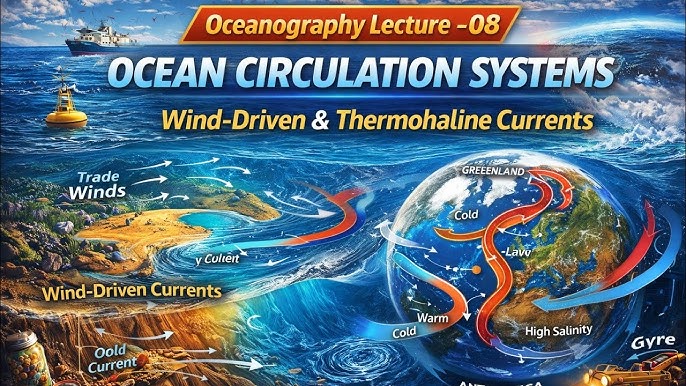
Large amounts of freshwater entering the oceans can alter major ocean currents:
Higher sea levels make storm surges more destructive.
- Coastal communities experience more frequent flooding during storms;
- Even normal high tides increasingly cause flooding in vulnerable areas; and
- Critical infrastructure such as ports, roads, wastewater facilities, and power systems face greater risks.
4. REDUCED FRESHWATER SUPPLIES:

Source: UN News
- Freshwater from Greenland and Antarctic ice sheets can reduce ocean salinity;
- Changes in salinity and temperature affect ocean circulation systems such as the Atlantic Meridional Overturning Circulation (AMOC), which helps regulate global climate; and
- Disruptions to these currents could alter rainfall patterns, regional temperatures, and storm tracks.
5. INCREASED COASTAL FLOODING AND STORM DAMAGE:

Source: YouTube
Many regions depend on glacier meltwater for drinking water, agriculture, and hydropower.
- Examples include:
- The Himalayas;
- The Andes;
- The Alps; and
- Western North America.
Initially, melting glaciers can increase river flows, but as glaciers shrink, long-term water availability declines. NOAA notes that glacier retreat threatens water supplies for millions of people and many ecosystems.
6. ECOSYSTEM DISRUPTION:

Melting ice affects both terrestrial and marine ecosystems.
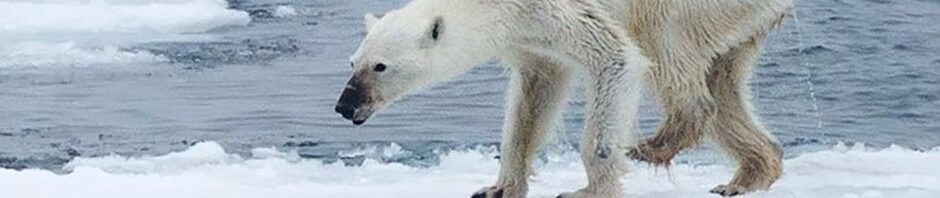
- Arctic wildlife such as polar bears, seals, and walruses lose critical habitat;
- Cold-water marine ecosystems are altered by changing temperatures and salinity; and
- Species dependent on glacier-fed rivers may experience habitat loss.
These ecological changes can cascade through food webs and affect local economies that depend on fisheries and tourism.
7. INCREASED RISK OF TIPPING POINTS:

Scientists are increasingly concerned about irreversible changes in major ice sheets:
- Parts of the Greenland and West Antarctic ice sheets may pass tipping points beyond which ice loss becomes self-sustaining;
- Once triggered, these processes could continue for centuries even if temperatures stabilize; and
- Such tipping points could significantly increase long-term sea-level rise.
| Indicator: | Current Findings: |
| Contribution of ice melt to sea-level rise | About two-thirds of current sea-level rise |
| Glacier ice lost since 2000 | Over 6.5 trillion tonnes |
| Sea-level rise from glacier melt (2000–2023) | Approximately 18 mm |
| Potential sea-level rise if all glaciers and ice sheets melted | More than 60 metres |
| Glaciers potentially lost at 1.5°C warming | Nearly 50 percent globally |
The melting of glaciers and polar ice has substantial global economic and monetary impacts, affecting multiple sectors including agriculture, infrastructure, insurance, energy, and fisheries. Here’s a detailed overview with credible references you can explore:
B. KEY STATISTICS:
1. IMPACT ON COASTAL COMMUNITIES AND INFRASTRUCTURE:
- Sea-level rise from melting glaciers and polar ice threatens coastal cities worldwide;
- Increased flooding and storm surges result in massive infrastructure damage; and
- Economic costs (World Bank, 2018): Estimates suggest that global coastal property damages could reach $14 trillion by 2100 under high-emission scenarios.
2. IMPACT ON AGRICULTURE AND FOOD SECURITY:
- Changes in freshwater availability due to glacier melt affect irrigation;
- Shifts in precipitation and temperature patterns reduce crop yields in vulnerable regions; and
- Economic costs: Losses in agriculture could run into hundreds of billions annually, especially in South Asia and Latin America.
3. INSURANCE AND FINANCIAL MARKETS:
- Insurance claims rise due to more frequent flooding, storms, and property loss (Swiss Re Institute, 2021);
- Risk assessment models may underestimate losses if glacier melt accelerates; and
- Global economic exposure: The insurance industry could face $60–$200 billion in annual losses by 2050 from climate-related disasters.
4. ENERGY AND WATER RESOURCES:
- Glaciers act as freshwater reservoirs for hydropower and drinking water;
- Rapid melting can initially increase water availability, but long-term reduction threatens hydroelectric power and agriculture; and
- Economic costs: Potential disruption in energy production could affect economies reliant on hydropower, e.g., China, India, and the Andes region.
5. FISHERIES AND OCEAN ECONOMY:
- Polar ice melt disrupts marine ecosystems and fish populations;
- Affects commercial fisheries, particularly in the Arctic and Antarctic waters; and
- Economic costs: Global fisheries could see billions in annual losses due to declining fish stocks and altered ocean currents.
6. GLOBAL MACRO-ECONOMIC IMPLICATIONS:
- Melting ice contributes to climate migration, leading to increased costs in housing, healthcare, and social services.
- Reduced productivity in climate-vulnerable regions can slow global economic growth by 2–10% of GDP by 2100 in worst-case scenarios.
GLOBAL MONETARY IMPACT OF MELTING GLACIERS AND POLAR ICE:
| Impact Area | Economic / Monetary Effect | Estimated Cost or Risk | Website Reference |
| Coastal Infrastructure Damage | Rising sea levels increase flooding, erosion, and damage to ports, roads, airports, and buildings. | Potential multi-trillion-dollar losses globally by the end of the century. | Springer Nature Study on Sea-Level Rise Economics |
| Loss of GDP in Coastal Regions | Reduced economic productivity, relocation costs, and disruption of business activities. | Coastal GDP losses could reach 6–21% in highly exposed regions by 2100 without adaptation. | ArXiv Economic Growth and Sea-Level Rise Study |
| Increased Adaptation Costs | Governments must invest in seawalls, flood defenses, and relocation projects. | High-end adaptation costs are often underestimated by 18–46%. | Sea-Level Adaptation Cost Study |
| Agriculture and Food Security | Glacier retreat reduces freshwater supplies used for irrigation, affecting crop yields. | Food and water security risks for up to 2 billion people. | UN Glacier Warning Report |
| Hydropower and Water Resources | Reduced long-term glacier-fed river flows threaten energy production and water supplies. | Billions in potential losses for regions dependent on glacier-fed hydropower. | World Economic Forum Glacier Report |
| Insurance Industry Losses | More frequent coastal flooding and extreme weather events increase claims. | Rising premiums and growing uninsured losses worldwide. | World Economic Forum Ice-Melting and Business Risks |
| Climate Migration | Communities displaced by sea-level rise require housing, infrastructure, and public services. | Flood damages in major coastal cities could approach $1 trillion annually by 2050. | Sea-Level Rise Migration Study Summary |
| Wetland and Ecosystem Loss | Loss of coastal wetlands reduces fisheries, tourism revenue, and natural flood protection. | Estimated losses of about $630 million annually for developing countries from a 1-meter sea-level rise. | World Bank Coastal Wetlands Analysis |
| Antarctic Ice Sheet Melting | Raises the social cost of carbon and creates long-term economic risks for coastal nations. | Can increase the estimated social cost of carbon by about 7% under some scenarios. | Nature Communications Antarctic Ice Sheet Economics Study |
C. CONCLUSION:
The melting of glaciers and polar ice has major economic consequences worldwide, mainly through sea-level rise, infrastructure damage, freshwater shortages, and increased disaster recovery costs.
Without strong climate mitigation and adaptation, the long-term global cost of glacier and polar ice melt could reach trillions of dollars by the end of the century, affecting housing, trade, food security, and economic stability.
Please click the following link to watch a brief (1:12 Minutes) NASA video:
