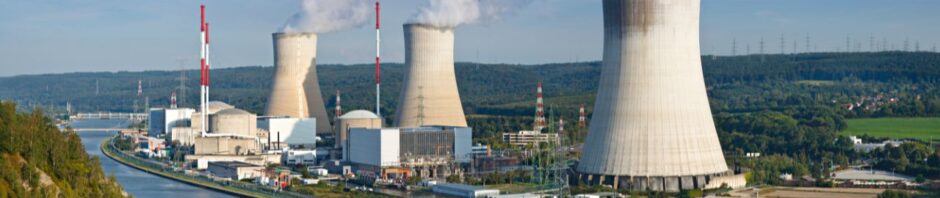

Here is the image to illustrate that in 2025, Canada produced 13 GW (Gigawatt – A unit of power that equals one billion watts or 1,000 megawatts) nuclear power with 17 reactors:
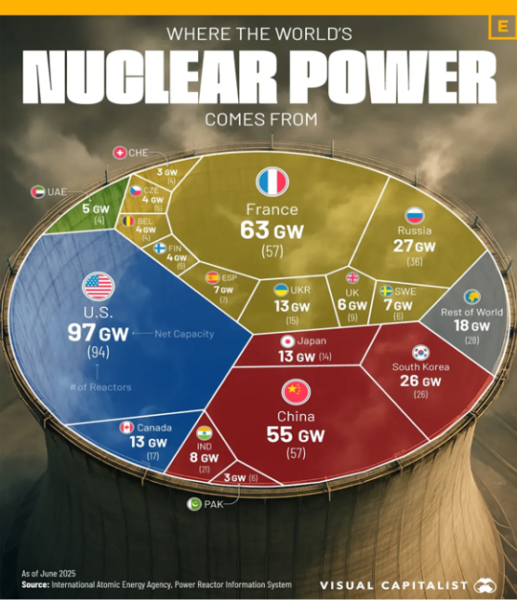
The following table is designed to demonstrate that in 2025, Canada was the sixth country in the world for using 17 reactors to produce 81 TWh (Terawatt-hour is a unit of electrical energy equals to one trillion watt-hours):
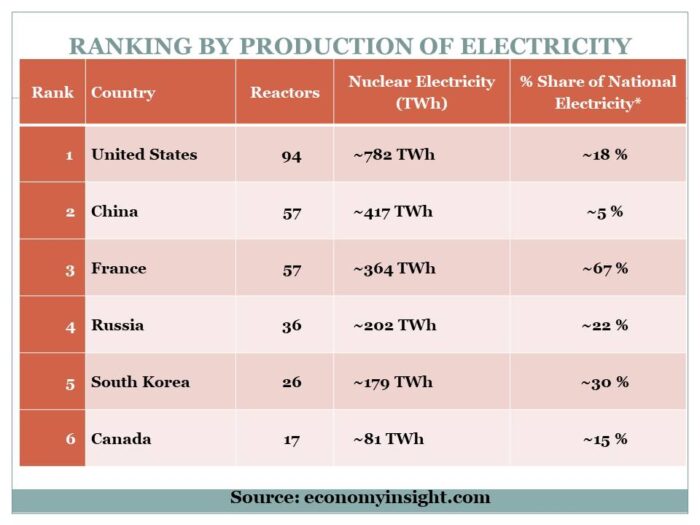
For many years Canada has been a leader in nuclear research and technology, exporting reactor systems developed in Canada as well as a high proportion of the world supply of radioisotopes used in medical diagnosis and cancer therapy.
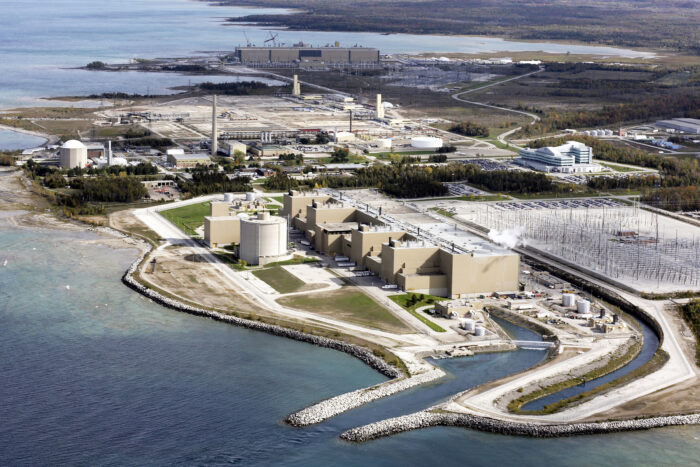
Here’s a summary of nuclear reactors in Canada:
Canada’s nuclear history dates to early research in the 1940s, including the first controlled nuclear reaction outside the U.S. at Chalk River:
- ECONOMIC AND GLOBAL IMPACT:
- Uranium & Exports: Canada is among the world’s largest producers of uranium, with much coming from northern Saskatchewan — a globally strategic resource for nuclear fuel;
- Industry scale & jobs: The nuclear industry supports tens of thousands of high-quality jobs and contributes significantly to the economy; and
- Technology exports: Canadian nuclear engineering and supply chains are recognized globally, feeding into power station construction and technology collaborations.
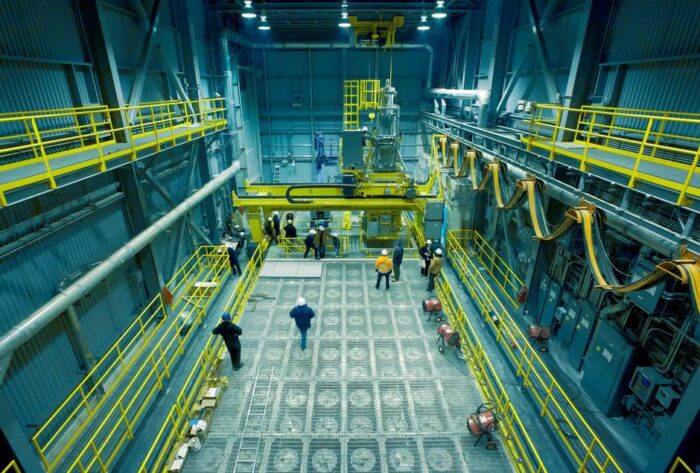
Source: The Globe and Mail
- RESEARCH & OTHER REACTORS:
- In addition to commercial power units, Canada also operates a small number of research reactors used for scientific work and medical isotope production. For example, the Chalk River Laboratories have historically hosted reactors like the now-shut-down NRU.
- SMALL MODULAR REACTORS (SMRs):
- Canada is at the frontier of SMR development, planning and licensing some of the first grid-scale SMRs in North America;
- Major federal and provincial investments support SMR research, licensing frameworks, and commercial deployment;
- SMRs promise clean, scalable power especially for remote, industrial or off-grid applications and can accelerate Canada’s decarbonization goals; and
- Potential applications in Canada:
- Electricity generation for small grids;
- Off-grid power for remote and Indigenous communities currently reliant on diesel;
- Industrial heat & hydrogen production beyond traditional power; and
- Decarbonization of heavy industry and fossil fuel reduction.
Notable SMR Projects in Canada:
Source: contructionconnect
- Ontario (Darlington SMR):
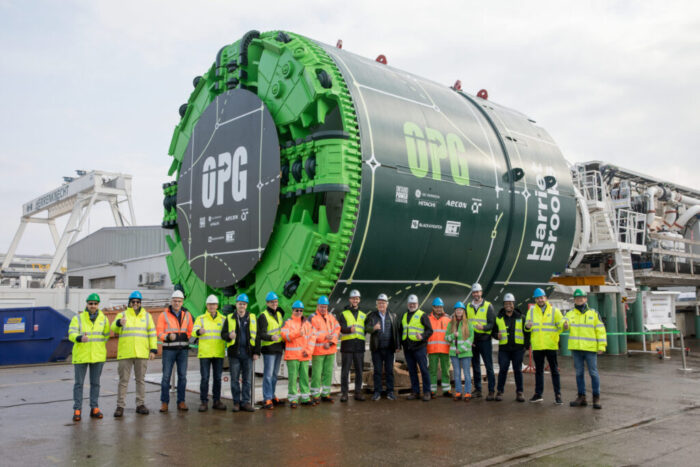
- Ontario is leading deployment of commercial SMRs. SMRs under development there will be built next to the Darlington nuclear site by Ontario Power Generation (OPG); and
- These reactors (~300 MWe each) are expected to power ~300,000 homes each.
(Recent media coverage states construction has begun, with grid connection targeted by 2030.); and
- Saskatchewan SMR Support:
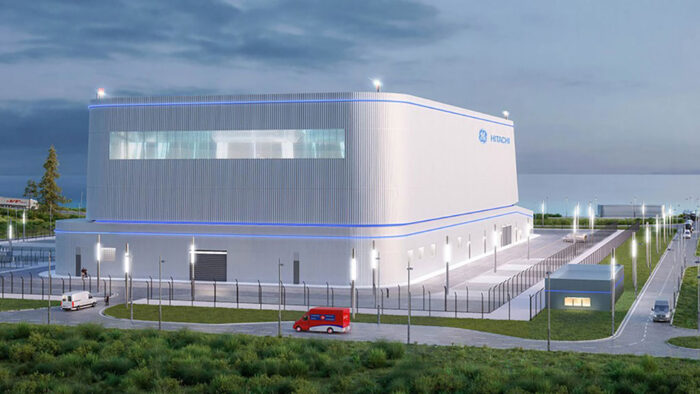
- The federal government approved up to $74 M in funding for SMR development in Saskatchewan — including studies, regulatory work, and community engagement — with GE-Hitachi BWRX-300 chosen as the reference design.
Source: xylene Power Ltd;
- CANDU REACTORS:
- CANDU stands for CANada Deuterium Uranium. It’s a unique Canadian pressurized heavy-water nuclear reactor design that uses;
- Heavy water (deuterium oxide) as both moderator and coolant;
- Natural (unenriched) uranium as fuel, unlike many other reactor types that require enriched fuel;
- This design allows for on-power refueling, meaning refueling while the reactor is running; and
- Canada has exported 12 CANDU REACTORS TO THE FOLLOWING COUNTRIES:
- South Korea – 4 units;
- China – 2 units;
- Romania – 2 units;
- India – 2 units;
- Pakistan – 1 unit; and
- Argentina – 1 unit.
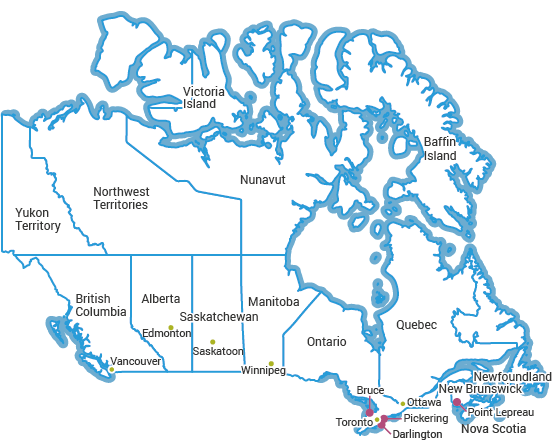
- COMMERCIAL CANADIAN REACTORS:
All commercial power reactors in Canada are CANDU PHWRs using natural uranium fuel and heavy water as moderator/coolant.
There are 17 operating commercial units at four power stations (Three in Ontario and one in New Brunswick):
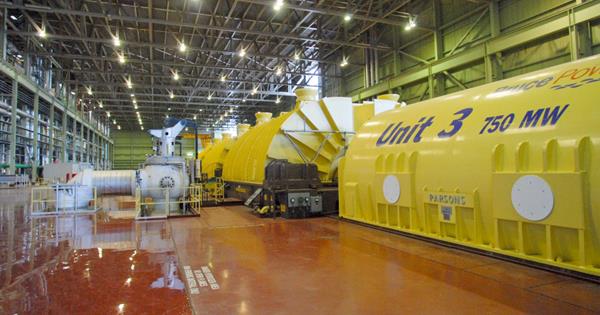
Source: GlobalNewswire
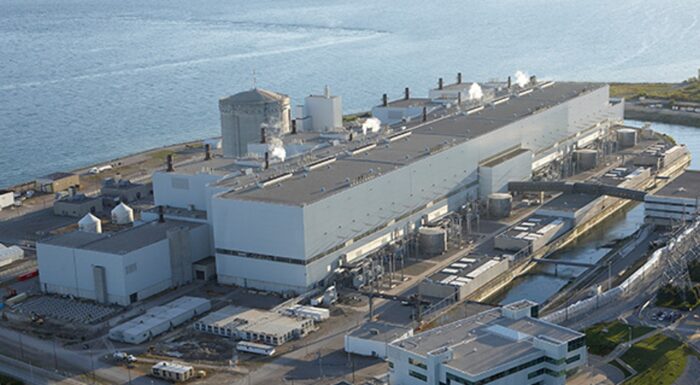
- Bruce Nuclear Generating Station: (There are 8 reactors located):
- Location: Kincardine;
- Units: 8 x CANDU Reactors;
- Owner/Operator: Ontario Power Generation (OPG)/Bruce Power;
- Capacity: ~6,500 MW — Canada’s largest nuclear generating facility;
- Status: All 8 units operational; refurbishment underway to extend life by decades; and
- Notes: Mid-life upgrades on several units are part of long-term plans to keep the station operational into the 2060s.
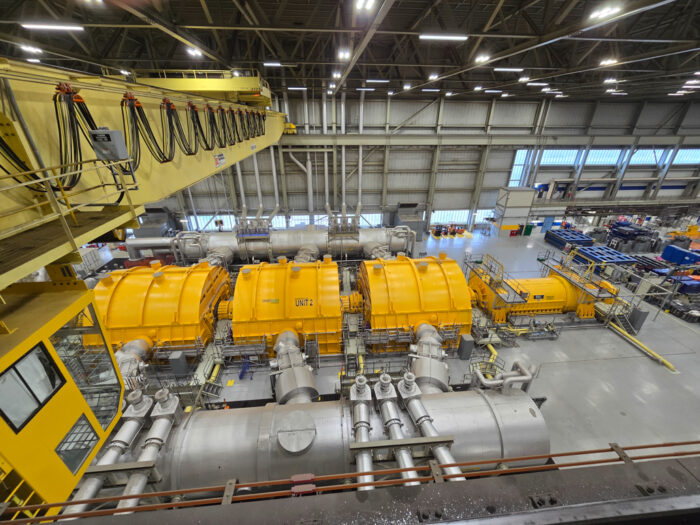
Source: James Hamilton Blog
- Darlington Nuclear Generating Station: (There are 4 reactors are located):
- Location: Bowmanville (Clarington), Ontario;
- Units: 4 × CANDU Reactors;
- Owner/Operator: Ontario Power Generation (OPG);
- Capacity: ~3,500 MW;
- Status: Operational; undergoing phased refurbishment to extend lifespan; and
- Notes: This station provides around 20 percent of Ontario’s electricity needs.
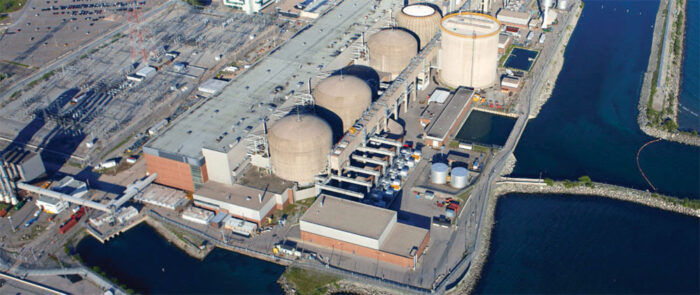
Source: The Oshwa Express
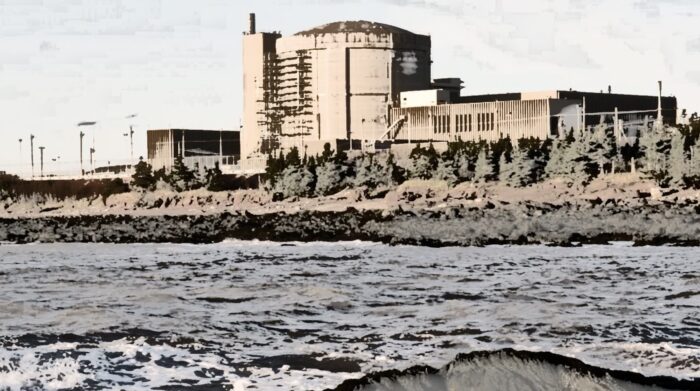
- Pickering Nuclear Generating Station: (There are 4 reactors located):
- Location: Pickering, Ontario;
- Location: Pickering, Ontario;
- Units: 8 reactors originally; Units 5–8 currently operating;
- Owner/Operator: Ontario Power Generation (OPG);
- Capacity: ~3,100 MW (operating units);
- Status: Partial operation; Units 1–4 shut down or in safe storage; and
- Notes: Licensed to operate at least through 2026; refurbishment decisions are underway for future life extension.
Source: Yahoo News
- Point Lepreau Nuclear Generating Station — New Brunswick: (only 1 reactor located):
- Location: Point Lepreau, New Brunswick;
- Units: 1 × CANDU reactor;
- Owner/Operator: NB Power;
- Capacity: ~660 MW;
- Status: Operating (refurbished and returned to service in 2012); and
- Notes: Supplies a substantial share of New Brunswick’s electricity; plans exist for SMR deployment near the site.
6. CONCLUSION:
Here is a reality check. Globally, nuclear power provides a smaller percentage of total electricity (about 10–11 percent worldwide), with strong regional variation. Canada’s ~15 percent share puts it above the global average in terms of national electricity mix but below countries like France and Slovakia that rely heavily on nuclear.
Canada’s electricity system is already one of the cleanest in the world — with around 80 percent or more coming from zero- or very-low-emission sources including hydro, nuclear, wind, and solar.
While exact 2025 official statistics are still being finalized, recent national energy data shows a clear pattern in Canada’s electricity mix that likely will continue:
- Hydroelectric Power Remains Dominant — typically the largest single source of electricity due to Canada’s abundant water resources;
- Nuclear Energy Accounts for roughly 15 percent of total electricity generation nationally;
- Renewables (excluding hydro) such as wind and solar are growing, together contributing more each year to the grid; and
- Fossil fuels (natural gas and coal) make up a significantly smaller share compared with many other major economies, with coal especially being a minor part of the mix (around 4 percent).
The following highlight Strengths of Nuclear Power in Canada:
- Reliable Baseload Power: Unlike wind and solar, nuclear power can run continuously regardless of weather or sunlight, helping keep the grid stable;
- Low Emissions: Nuclear plants emit virtually zero greenhouse gases during operation, helping Canada maintain a low-carbon grid; and
- Supporting Climate Goals: Federal investments and planning include expanding nuclear capacity and developing new technologies like small modular reactors (SMRs) to help decarbonize further.
Nevertheless, Canada is faced with the following challenges:
- High Costs & Financial Risks:
- Construction and refurbishment costs are extremely high. Canada’s major nuclear stations (e.g., Darlington) experienced significant cost overruns and long timelines; and
- Refurbishing aging reactors (Bruce, Darlington, Pickering) carries multi-billion-dollar price tags and long project durations, straining utility budgets and government planning;
- Waste Management & Long-Term Storage:
- Canada must safely manage and store radioactive waste, especially high-level spent fuel, with solutions that last for hundreds of thousands of years; and
- A national integrated plan for radioactive waste and decommissioning is being developed, but implementation and Indigenous consultation add complexity and long timelines.
- Aging Infrastructure & Refurbishment Challenges:
- Many existing Canadian reactors were built decades ago and are approaching end-of-life, requiring expensive and technically complex refurbishment to continue operating; and
- Aging plants can face outages or capacity reductions during refurbishment, affecting grid reliability in the short term.
- Regulatory & Transportation Hurdles:
- Nuclear power often faces skepticism or opposition from environmental groups and local communities due to safety, waste, and accident fears, which can delay policy decisions or plant siting; and
- Public support varies, and where opposition is strong, it can influence political and planning outcomes.
- Competition with Renewables & Policy Priorities:
- Falling costs of wind, solar, and storage technologies make renewables more politically and economically appealing compared to new nuclear builds; and
- Some critics argue nuclear isn’t fast enough to address climate goals compared to rapid deployment of renewables.
- Technical & Long-Term Innovation Challenges:
- Small Modular Reactors (SMRs) promise future flexibility but are still emerging technologies and have higher early costs and development hurdles; and
- Canada’s capacity to deploy SMRs at scale within required timeframes depends on supply chains, skilled workforce, and regulatory adaptation.
