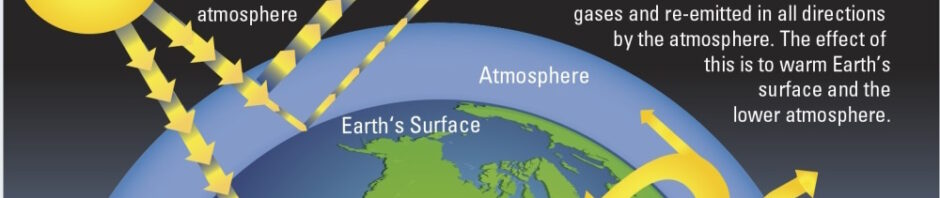

Key scientific concerns about climate change are based on extensive evidence from observations, climate models, and multiple scientific disciplines studying Earth’s climate system. They include:
- RISING GLOBAL TEMPERATURES: Earth’s average temperature continues to increase due to greenhouse gas emissions from burning fossil fuels, deforestation, and industrial activity. Recent years have repeatedly set heat records, contributing to more intense heatwaves and ecosystem stress;
- SEA-LEVEL RISE: Sea-level rise is one of the most significant and visible consequences of climate change. As global temperatures increase, oceans warm and expand, while glaciers and ice sheets melt, adding more water to the seas. Rising sea levels increase the risk of coastal flooding, shoreline erosion, saltwater intrusion into freshwater resources, and damage to ecosystems such as wetlands and mangroves. They also threaten homes, infrastructure, and livelihoods in coastal communities around the world, especially for coastal regions;
- EXTREME WEATHER EVENTS: Extreme weather events are becoming one of the most significant manifestations of climate change. The strongest scientific evidence links climate change to more intense heatwaves, heavier rainfall, worsening droughts, greater wildfire risk, and stronger precipitation from tropical cyclones. Advances in attribution science now allow researchers to quantify how human activities have increased the likelihood and severity of many individual weather disasters, providing a clearer understanding of the risks posed by a warming world;
- MELTING GLACIERS AND POLAR ICE: Melting glaciers and polar ice are both a consequence and an accelerator of climate change. Their impacts extend far beyond the Polar Regions, contributing to sea-level rise, altering ocean circulation, increasing flooding risks, reducing freshwater availability, and amplifying global warming through feedback mechanisms. Because ice-sheet changes can continue for centuries, actions taken today to reduce greenhouse gas emissions will influence climate and sea-level conditions for generations to come;
- OCEAN ACIDIFICATION: Ocean acidification is the process by which the ocean absorbs CO₂ (Carbon Dioxide) from the atmosphere, causing chemical reactions that lower seawater pH (Potential of Hydrogen) and increase its acidity. Since the Industrial Revolution, the world’s oceans have become approximately 26 percent more acidic due to the absorption of human-generated CO₂ emissions;
- BIODIVERSITY LOSS AND ECOSYSTEM DISRUPTION: Biodiversity refers to the variety of life on Earth, encompassing genetic, species, and ecosystem diversity, which is essential for ecological balance, human survival, and the resilience of natural systems;
- HUMAN HEALTH RISKS: Climate change is increasingly recognized as one of the greatest threats to human health in the 21st century. Rising temperatures, changing weather patterns, and more frequent extreme weather events affect both physical and mental health. According to the World Health Organization (WHO), climate change threatens the fundamental requirements for good health: clean air, safe drinking water, nutritious food, and secure shelter.
- FOOD AND WATER SECURITY: According to Food and Agriculture Organization of the United Nations food and water security are closely interconnected concepts that are essential for human well-being, sustainable development, and economic growth. Adequate access to safe food depends heavily on the availability of sufficient and good-quality water resources for agriculture, food processing, and household use. As populations grow and climate change intensifies, ensuring both food and water security has become a major global challenge.